


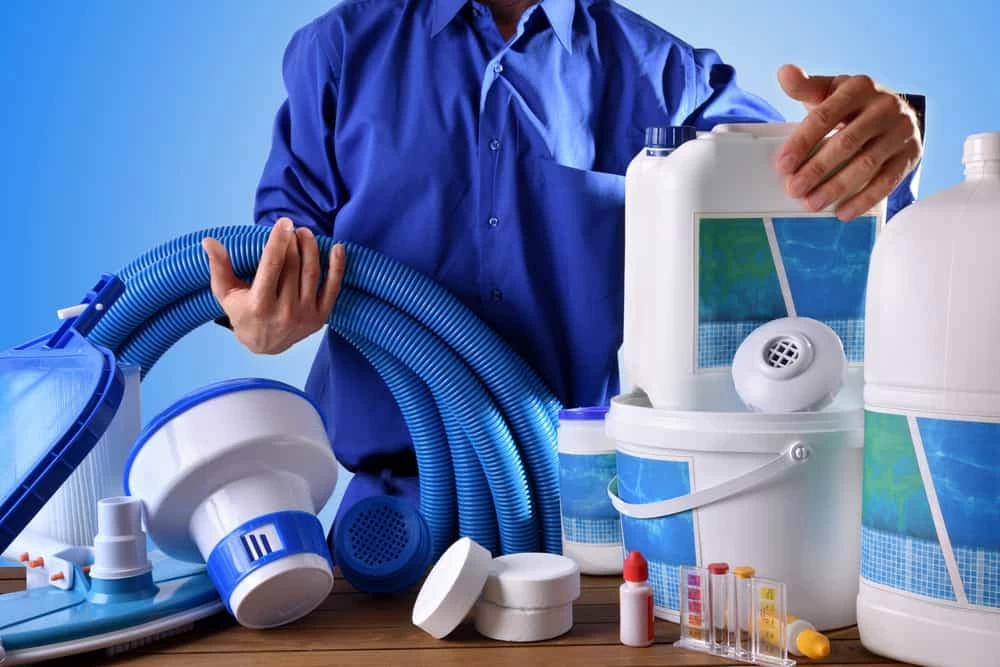

Bellerose summers don’t give you much margin for error. When July and August hit with that combination of heat and humidity, pool chemistry can shift fast — a pool that looked fine Monday can be visibly green by Friday. Weekly pool maintenance keeps that from becoming your problem.
On the other side of the calendar, Bellerose winters are cold enough to do real damage. February nights regularly drop below freezing, and the freeze-thaw cycling that runs from December through March is more than enough to crack plumbing, damage pump housings, and ruin filter equipment in a pool that wasn’t properly closed. One missed step at the end of the season can mean thousands in repairs come spring.
What you actually get from professional pool service is simpler than most companies make it sound: a clean, balanced, ready-to-use pool in the summer, and a pool that comes back intact in the spring. That’s the outcome. Everything else — the chemistry, the equipment checks, the seasonal timing — is just how you get there.
We’ve been serving Nassau County since 2009, which means over 16 years of working with the specific climate, housing stock, and homeowner expectations that come with this part of Long Island. Bellerose Village sits right on the Nassau–Queens border, and we hold an active Nassau County contractor license — license number 158301 — so whether your home is on the village side or the Queens side of that line, you’re working with a company that’s properly credentialed for this area.
We’re not a call center with rotating crews. The same technicians show up, on the same schedule, every week. Real Bellerose customers have called out Sebastian and Max by name in reviews — and our owner, Jesse, stays personally reachable when anything comes up. That kind of accountability matters when you’re trusting someone with a backyard investment that’s worth as much as some people’s entire homes.
We also run a retail store in Huntington Station stocked with pool chemicals, cleaning supplies, and seasonal products — and we offer free water testing if you want to bring in a sample. It’s a resource most mobile-only companies simply don’t have.

Pool opening season in Nassau County typically runs from mid-March through early May, with April being the practical window for most Bellerose homeowners. Open too early and you risk re-freezing; wait too long and service slots fill up — and you lose the first stretch of warm weather. We schedule your opening to hit that window right, so your pool is ready when the weather is, not two weeks after.
The opening process covers everything: removing and storing the winter cover, reconnecting and starting up equipment, balancing the water chemistry, and doing a full system check to make sure nothing got damaged over the winter. If something needs attention — a cracked fitting, a pump that didn’t survive a hard freeze — you’ll know before it becomes an emergency mid-July.
Through the summer, weekly pool maintenance visits handle the chemical balancing, cleaning, vacuuming, and equipment monitoring that keeps your pool in shape without you having to think about it. And when fall comes around, we close the pool the right way — full plumbing blowout, chemical treatment, equipment shutdown, and cover installation — so you’re not looking at a repair bill when you open it again in April. The whole season, handled.
Ready to get started?
Pool service in Bellerose isn’t one-size-fits-all, and it shouldn’t be. The pools in this area — mostly inground, mostly on private lots in single-family homes across Bellerose Village, Bellerose Terrace, and the Queens-side neighborhood — have different equipment setups, different usage patterns, and different seasonal demands. What we do on each visit reflects what your specific pool needs, not a checklist designed for somewhere else.
Weekly pool maintenance includes water testing and chemical balancing, brushing and vacuuming, skimmer and filter basket cleaning, and a visual check on your equipment. If chemistry is off, we correct it on the spot. If something looks like it’s heading toward a problem, we tell you before it becomes one. Bellerose homeowners dealing with the area’s hot, humid summers and cold winters need that kind of proactive attention — not a crew that shows up, skims the surface, and leaves.
Beyond weekly service, we handle pool openings, pool closings, equipment repair, and chemical supply. If you’re thinking about a new inground pool — Gunite, fiberglass, or steel vinyl liner — we do that too. The point is you don’t need to manage multiple companies. One call covers the full season, from the first pool opening in spring to the last winterization visit in the fall, all handled by a Nassau County licensed team that’s been doing this here since 2009.

The practical window for pool openings in Bellerose is mid-April through early May. Bellerose has a humid subtropical climate, and while March can feel like spring, overnight temperatures in the area regularly dip below freezing well into early April — which means opening too early puts you at risk of re-freeze damage to your plumbing and equipment. Waiting until mid-April gives you a much safer starting point.
That said, you don’t want to wait until the last minute. Pool service companies in Nassau County book up fast as the weather warms, and if you’re scheduling in late April or May, you may be looking at a two-to-three week wait. The homeowners who get the earliest swim season are almost always the ones who scheduled their opening in March for an April start date. Call ahead, lock in your slot, and your pool will be ready for the first genuinely warm weekend — not the third.
For most residential pools in Bellerose, professional pool maintenance runs somewhere between $3,000 and $6,000 annually depending on pool size, service frequency, and what’s included. That range covers weekly visits through the swim season, chemical management, equipment monitoring, and the kind of consistent upkeep that prevents larger problems from developing. It’s a wide range because pools vary — a smaller vinyl liner pool has different needs than a larger Gunite pool with water features.
The more useful way to think about the cost is to compare it against the alternative. A single algae remediation treatment can run several hundred dollars. A cracked pipe from improper winterization can cost $1,000 or more to repair. A pump replacement runs $500 to $1,500. Homeowners in Bellerose Village, where the average home value approaches $840,000, are generally protecting a significant asset — and consistent, professional maintenance is the most cost-effective way to do that. We’re upfront about pricing from the start, so there are no surprises when the invoice comes.
A proper pool closing in Bellerose — given the freeze temperatures this area sees from December through March — is more involved than most homeowners realize. It’s not just throwing a cover on and calling it done. The process starts with a full plumbing blowout, which removes all the water from your pipes and equipment lines so there’s nothing left to freeze and expand. Any water left in the plumbing is what causes cracked pipes and damaged fittings over the winter.
From there, we add winterizing chemicals to the water to prevent algae growth and scale buildup while the pool sits covered. Equipment — pumps, filters, heaters — gets properly shut down and protected. The winter cover goes on last, secured tightly to keep debris out and hold up through the kind of wind and weather Bellerose winters bring. Done correctly, a pool closing means you open in April to clean water and intact equipment. Done incorrectly, you’re looking at repair work before you can even think about swimming.
Yes. Pool installation in Bellerose Village requires permits, and because Bellerose Village is an incorporated village within the Town of Hempstead, the permitting process involves both Nassau County building requirements and the village’s own local governance. Bellerose Village incorporated in 1924 specifically to maintain home rule, and the village does maintain its own oversight on construction projects — which means you’ll want to confirm requirements with both the village and Nassau County before breaking ground.
Nassau County also requires pool operators to obtain operating permits, and applications need to be submitted at least 30 days before opening. There are specific requirements around fencing, setbacks, safety barriers, and water quality that apply to residential pools in the county. For homeowners on the Queens side of the Bellerose border, New York City building department permits apply instead. Working with a licensed contractor — we hold Nassau County license number 158301 — means you have someone who already understands this process and can help you navigate it rather than figuring it out on your own.
The best time to catch pool damage is right at opening, before you’ve committed to a full swim season with a problem already brewing. After a Bellerose winter — with its freeze-thaw cycles running from December through March — the most common issues are cracked or separated plumbing fittings, damaged pump housings, and filter equipment that didn’t survive a hard freeze intact. These aren’t always visible until the system is running and pressurized.
During a professional pool opening, a thorough equipment check will identify anything that needs attention before it becomes an in-season failure. A pump that’s struggling at startup in April is a lot easier and cheaper to address than one that dies on a Saturday afternoon in July. If you’ve noticed anything unusual before opening — standing water near equipment, visible cracks in the pool shell, or a cover that didn’t hold up well over the winter — those are worth flagging when you schedule your opening appointment. Catching problems early is almost always less expensive than reacting to them mid-season.
It comes down to the combination of heat and humidity that Bellerose summers bring. Algae thrives in warm water, and when outdoor temperatures push into the high 80s with elevated humidity — which is typical for July and August in this area — pool water heats up faster, chlorine depletes faster, and algae can establish itself within days if chemistry isn’t being actively managed. A pool that looks clear on a Monday can have a visible green tint by the end of the week if nothing is being done to maintain the balance.
This is exactly why consistent weekly pool maintenance matters more in summer than at any other point in the season. It’s not just about keeping the water looking clean — it’s about staying ahead of the chemistry shift before algae gets a foothold. Once a pool goes green, you’re looking at a shock treatment, an extended filter run, and potentially multiple visits to get it back to swimmable. That remediation costs more in time, chemicals, and money than the weekly service that would have prevented it. Staying on a regular schedule through June, July, and August is the straightforward way to avoid it entirely.
Other Services we provide in Bellerose