Summary:
You’re looking at faded surfaces, rough patches, or stains that won’t budge no matter what you try. A pool painting contractor quotes you $4,000. Another company says full restoration will run $12,000. The price difference feels massive, and you’re wondering if the expensive option is necessary or just an upsell.
Here’s what catches most Nassau County pool owners off guard: the cheaper fix often costs more when you factor in how long it actually lasts. This isn’t about today’s invoice—it’s about what you’re getting for your money, how many years it holds up, and what you’ll spend maintaining it until the next major project. Let’s look at both options with real numbers so you can see exactly where your money goes.
What Pool Painting Contractors Actually Do
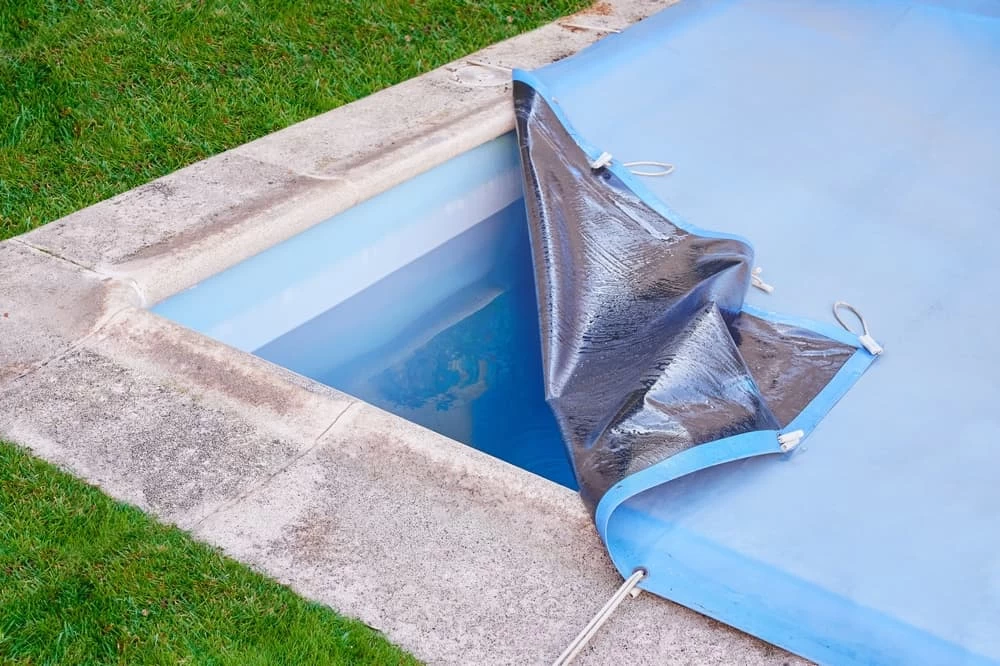
Pool painting contractors drain your pool, prep the surface, and apply epoxy or acrylic paint designed for underwater use. The process moves faster than restoration and costs significantly less upfront. You’re getting a fresh look without the time and expense of tearing out your existing surface.
But painting is cosmetic. It covers problems rather than fixing them. Cracks, structural damage, or serious deterioration don’t go away under paint—they just hide temporarily until they get worse and force a bigger repair down the road.
Pool Painting Cost in Nassau County NY
For an average-sized pool in Nassau County, NY, professional pool painting runs $3,000 to $6,000. That breaks down to roughly $1.87 to $2.21 per square foot. Epoxy paint costs more than acrylic but lasts longer, making it the better choice if you’re going the paint route.
The price covers draining your pool, cleaning the surface, acid washing to help paint stick, and applying three to four coats with proper dry time between each. Most projects take five to seven days from start to finish, including the dry time needed before refilling.
What that price doesn’t include: crack repair, structural fixes, or addressing problems below the surface. If your pool has issues beyond faded color or minor scuffs, painting won’t solve them. You’ll need those repairs first, which adds to the total cost and timeline.
The bigger cost factor sneaks up on you later: lifespan. Pool paint lasts three to seven years depending on type, water chemistry, and maintenance. Epoxy holds up best at five to eight years. Acrylic fades faster—usually two to three years in Nassau County’s coastal climate with high humidity and temperature swings. You’re repainting every few years, and those costs stack up fast. Three paint jobs over fifteen years cost more than one restoration that lasts the full fifteen.
Why Pool Paint Fails Faster in Long Island
Paint sits on top of your pool surface rather than bonding into the structure. That makes it vulnerable to everything pools dish out—chlorine, UV rays, temperature changes, constant water contact. Nassau County’s coastal humidity and 40-degree temperature swings between seasons accelerate paint breakdown compared to drier climates.
Chlorine and other chemicals break down paint over time, causing peeling, cracking, and flaking. It usually starts around the waterline where chemical concentration is highest, then spreads. Once paint starts peeling, it clogs filters and makes your pool look worse than before you painted.
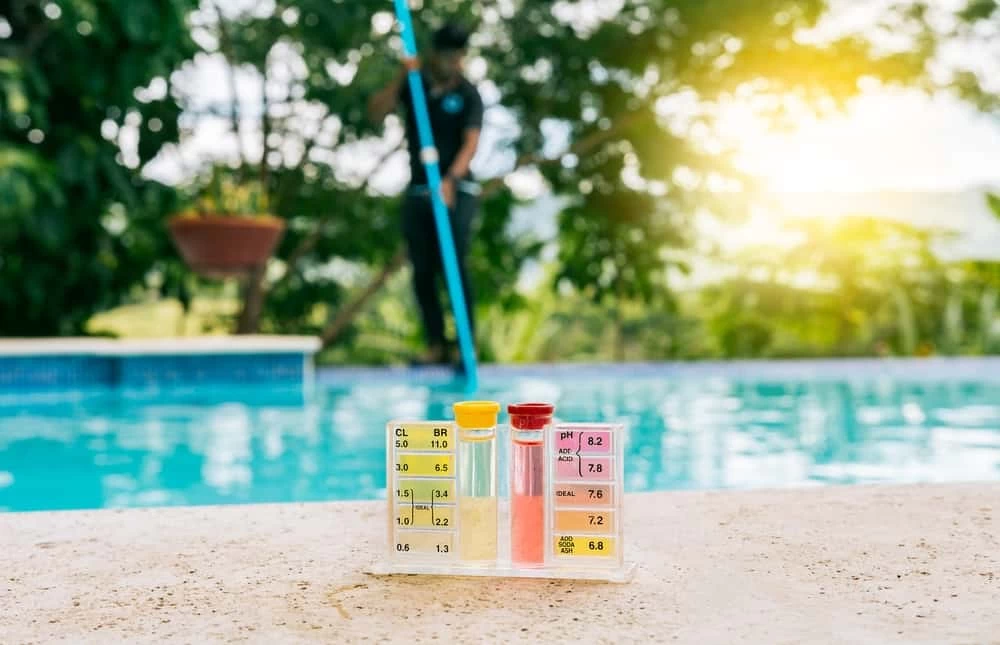
UV exposure from direct sunlight fades paint quickly. Even quality epoxy loses its color and looks dull within a couple years. Acrylic paint fades faster—sometimes showing noticeable color loss within six months of application.
Temperature fluctuations make your pool surface expand and contract. Paint doesn’t flex with those movements, so it cracks and separates. Long Island’s climate—cold winters, hot summers, constant humidity—speeds this up significantly. Poor water chemistry accelerates the damage. If your pH and alkalinity aren’t perfectly balanced, paint deteriorates faster. Most homeowners don’t maintain ideal chemistry consistently, which cuts paint life short.
What looked like a $4,000 solution becomes $12,000 over ten years because you’re repainting every three to four years. That’s before counting the headaches of dealing with peeling paint, filter clogs, stained surfaces, and constant touch-ups between major repaints.
What Pool Restoration Companies Include
Pool restoration companies take a different approach entirely. Instead of covering your existing surface, we remove it, fix structural problems, and apply a new finish that becomes part of your pool’s structure. It’s a complete overhaul rather than a cosmetic cover-up.
The process includes draining, removing old plaster or damaged material, repairing cracks and structural issues, upgrading worn equipment, applying new plaster or premium finishes like pebble or quartz, and replacing tile and coping if needed. You’re getting a pool that’s rebuilt from the surface level, addressing problems at their source.
Pool Restoration Services Cost Breakdown
Full pool restoration in Nassau County, NY typically costs $8,000 to $15,000 for an average residential pool. That’s $6.55 to $7.81 per square foot for standard plaster finishes. Premium materials like pebble or quartz push costs toward the higher end, sometimes exceeding $15,000 depending on pool size and material choices.
Surface preparation accounts for 30 to 40 percent of your total cost. Crews chip out or sandblast old plaster, repair cracks, apply bond coats, and prep the surface to receive new material. This prep work determines how long your new finish lasts. Cutting corners here to save money now costs you later when the finish fails early.
Material costs vary significantly based on what you choose. Standard white plaster is most affordable. Quartz adds color options and better durability. Pebble finishes cost more upfront but last longest and resist staining better than any other option. Glass bead finishes sit at the premium end but create visual effects paint can’t match.
Labor for applying the finish makes up another major cost. Skilled crews work fast to apply plaster or aggregate finishes before they set. The application happens in one continuous process, requiring coordination and expertise most homeowners don’t have. Projects typically take one to two weeks from start to finish, including cure time before you can refill.
What restoration includes that painting doesn’t: structural crack repair that prevents leaks, equipment inspection and replacement of failing parts, tile and coping upgrades, comprehensive surface prep that ensures longevity, and a finish that bonds into your pool structure instead of sitting on top. You’re fixing problems at their source rather than covering them temporarily.
How Restoration Changes Monthly Pool Maintenance Cost
Restoration’s real value shows up in your ongoing costs. Premium finishes resist staining, need less aggressive chemical treatments, and stay cleaner with less work. That means lower monthly pool maintenance costs over the fifteen to twenty years your restored surface lasts.
Monthly pool maintenance in Nassau County, NY typically runs $120 to $180 per month for professional service, or $35 to $50 per weekly visit. That covers chemical balancing, cleaning, equipment checks, and filter maintenance. But those costs climb when your surface is deteriorating.
Rough, damaged surfaces harbor algae more easily. You spend more on chemicals trying to keep water clear. Peeling paint clogs filters, forcing more frequent cleaning and earlier replacement. Stained surfaces need aggressive treatments that cost more and stress equipment. All of that adds to your monthly expenses.
A freshly restored pool with quality finishes cuts those headaches significantly. Smooth pebble or quartz surfaces don’t stain as easily as old plaster or peeling paint. They’re easier to clean, require less chemical intervention, and maintain water clarity with less effort. Pool owners often report reducing chemical costs by 20 to 30 percent after restoration with premium finishes.
Equipment lasts longer too. When pool restoration services include equipment inspection and upgrades, you catch failing pumps, filters, and heaters before they die completely. Replacing equipment during planned restoration costs less than emergency repairs during peak summer season. Better water chemistry from improved surfaces extends equipment life across the board.
The math over fifteen years tells the real story. Restoration might cost $12,000 upfront but lasts fifteen to twenty years with minimal issues. Painting costs $4,000 but you’ll repaint three times in that same period—$12,000 total—plus deal with higher maintenance costs, more frequent repairs, and constant surface problems between paint jobs. Total cost of ownership favors restoration by a wide margin.
Choosing Between Painting and Restoration for Your Pool
Pool painting makes sense in specific situations. Your pool’s structure is solid with only cosmetic wear. You’re planning to sell within a few years and need a quick refresh. Your budget absolutely can’t accommodate restoration right now and you need to buy time. It’s a short-term solution that serves a purpose.
Full restoration makes sense when you’re dealing with cracks, significant staining, rough surfaces that scrape swimmers, or structural concerns. It’s the right move when you plan to stay in your home long-term, want to stop dealing with constant maintenance headaches, or need your pool to add real value to your property instead of being a liability.
The decision comes down to whether you’re solving today’s problem or investing in the next fifteen years. Both approaches work, but they serve different goals and timelines. If you’re weighing options for your Nassau County pool and want to know which makes sense for your specific situation, we can assess your pool’s condition and show you exactly what each approach would include based on what your pool actually needs—not what sounds good in theory.