




When your pool is closed the right way, you open it in spring without surprises. No green water sitting under a cover that shifted. No cracked plumbing to track down before the kids can swim. No repair bill eating into the summer before it even starts.
Richmond Hill’s housing stock is older than most people realize. A lot of these homes were built in the early 1900s, and the above-ground pools sitting in their backyards are working with aging equipment seals that have stiffened, joints that have loosened over the years. When a freeze hits interior Queens, it doesn’t give worn equipment a pass.
The freeze-thaw cycle in Richmond Hill is particularly punishing because temperatures drop below freezing and climb back up repeatedly across November and December, stressing everything in the system each time. Above-ground pools carry more freeze risk than inground pools do, because every inch of their plumbing and equipment is exposed directly to the air. There’s no ground insulation buffering the temperature swings. One pocket of water left in a line is all it takes. A closing done right means that pocket never gets the chance to form.
We’ve been operating in Queens and Long Island since 2009. That’s 15-plus years of Queens winters the freeze events, the early cold snaps in October, the freeze-thaw cycles that keep coming through December. We know what this climate does to above-ground pool equipment left unprotected, because we’ve seen the damage firsthand and spent years helping homeowners avoid it.
Our Queens location at 39-01 Utopia Pkwy isn’t a service area claim it’s a real address. When Richmond Hill homeowners call, they’re reaching a company with actual roots in this borough, not a Long Island operation that occasionally crosses the border. We serve southwestern Queens communities regularly, including neighborhoods that sit right alongside Richmond Hill along the Van Wyck Expressway corridor.
Every technician who comes to your property is fully licensed and insured. We also design and build custom pools, which means the people closing your pool understand how pool systems are actually built the plumbing layouts, the equipment specs, the vulnerabilities that a seasonal-only crew would miss.
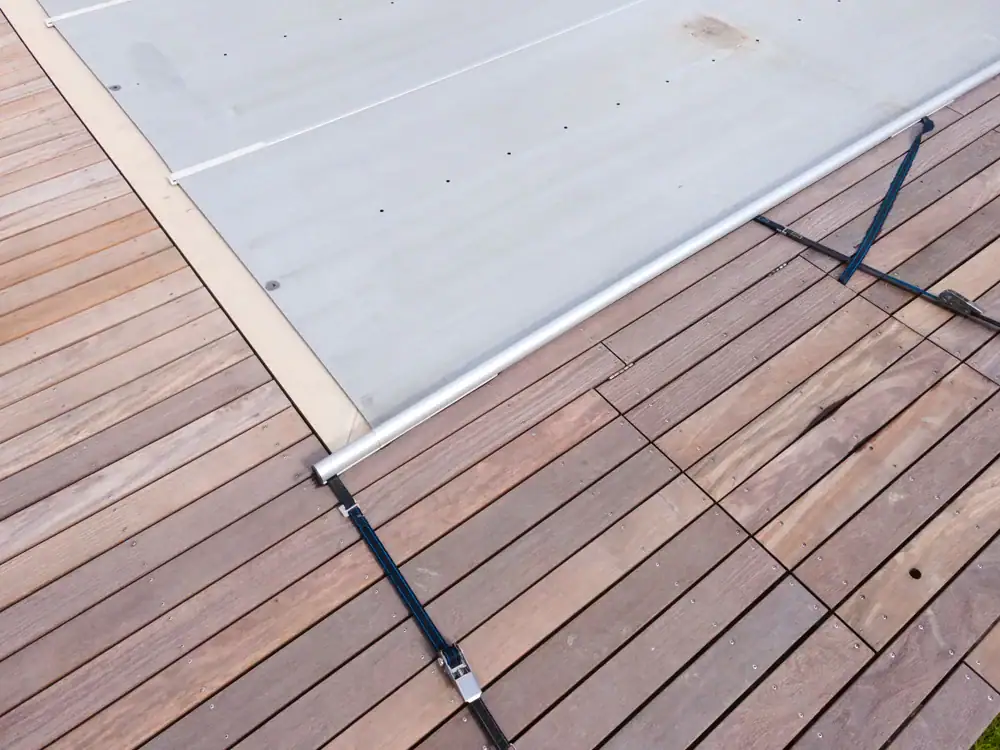
Every closing we perform follows the same 12-step winterization process, and it starts before a single line is touched. We begin with a complete pool assessment checking the condition of your equipment, looking for anything that needs attention before winter arrives.
For the older above-ground pools common in Richmond Hill’s Victorian-era and early 20th century homes, that inspection step matters more than most homeowners realize. If there’s a developing problem with a seal or a joint, you want to know about it in October, not in May when you’re pulling the cover off.
From there, the process moves through water chemistry balancing pH, alkalinity, shock treatment, algaecide, and stain prevention followed by the step that separates a professional closing from a DIY attempt: the plumbing line blow-out. We use commercial-grade air compressors to fully clear every line. A standard shop compressor can’t generate enough pressure to push all the water out. What it leaves behind freezes, expands, and cracks.
After the lines are clear, all equipment is disconnected and stored properly pump, filter, heater, ladders, and accessories. The cover goes on with correct tensioning and water bag placement. When the job is done, you receive a written summary of every step completed. No guessing about what was done. No wondering in spring if something was skipped.
Ready to get started?
Richmond Hill sits in the interior of Queens, away from the temperature-moderating effect of the coast. That geographic reality means the freeze-thaw cycles here hit harder and more frequently than they do in coastal neighborhoods. For above-ground pool owners which describes most of the pool market in this part of Queens that makes the quality of the closing more consequential, not less.
We handle both above-ground and inground pool closings, but the above-ground process gets the full attention it deserves. That means proper filter system disconnection, return line plugging, skimmer winterization, air pillow installation under the cover, and cover fastening secured against wind. Each of these steps addresses a specific vulnerability that above-ground pools face when Richmond Hill temperatures drop.
Skimmer winterization is one that DIY closers frequently skip or do incorrectly and it’s one of the most common sources of spring damage. There are no named packages or price tiers to sort through. You call, describe your pool, and we give you a straight answer on what the closing involves and when we can come out.
Closings are booked through October, and that window fills up. The Long Island and Queens pool service market runs short on availability in the fall companies that do this work fill their schedules weeks ahead. If you’re reading this in September or early October, now is the right time to get on the calendar.
The right window for Richmond Hill is late September through mid-October. That’s when nighttime temperatures in interior Queens consistently drop below 50 degrees Fahrenheit the point at which algae growth slows and your pool chemistry stays stable under a cover. Closing too early in August or early September risks an algae bloom developing under the cover before temperatures are cold enough to suppress it. Waiting until November is the other mistake, and it’s a more expensive one.
Richmond Hill’s location away from Jamaica Bay and the Atlantic coast means it doesn’t get the same temperature buffering that coastal Queens neighborhoods do. Cold air moves through here more directly, and an early October cold snap can bring overnight temperatures into the low 30s before most homeowners have thought about closing. We recommend late September to early October for Richmond Hill pools specifically. That timing protects the pool and leaves enough runway to get on the schedule before we fill up.
A complete above-ground pool closing covers more than most homeowners expect. It starts with a full assessment of the pool and equipment checking the condition of everything before any winterization steps begin. From there, it moves through water chemistry balancing, which means adjusting pH and alkalinity, adding a shock treatment, algaecide, and stain prevention chemicals to keep the water stable all winter.
The most critical step is the plumbing line blow-out, done with a commercial-grade air compressor. This clears every line of standing water that would otherwise freeze, expand, and crack the plumbing. After that, the filter system is disconnected, the pump and heater are properly drained and stored, skimmers and return lines are plugged, an air pillow is installed under the cover, and the cover is secured tightly against wind. We provide a written summary of every step completed something no homeowner should have to go without.
You can attempt it, but the risk is in what a home setup can’t do. The biggest issue is the plumbing line blow-out. Clearing pool lines requires a commercial-grade air compressor that can generate enough pressure to push all standing water out of every section of pipe. A standard shop compressor the kind most homeowners have in the garage doesn’t produce enough pressure to do the job completely. What it leaves behind is water sitting in the lines, and that water freezes when Richmond Hill temperatures drop.
Water expands roughly 9 to 10 percent when it freezes. That’s enough force to crack PVC plumbing, split pump housings, and damage filter components. Repair costs for a single freeze event on an above-ground pool run from several thousand dollars up to $15,000 depending on what breaks. A professional closing costs a fraction of that. Beyond the compressor issue, skimmer winterization and proper cover tensioning are two steps that DIY closers frequently get wrong both of which show up as problems in spring. For Richmond Hill homeowners with older above-ground equipment already showing wear, the margin for error is even smaller.
Generally, no. Standard homeowner’s insurance policies typically exclude damage caused by failure to properly winterize. If your pool sustains freeze damage because the lines weren’t blown out or the equipment wasn’t disconnected, the repair bill is yours. This is a standard exclusion that applies across most policies, and it’s one of the reasons a professional closing with documented steps matters.
When we complete a closing, the homeowner receives a written summary of every step performed. That documentation creates a clear record of what was done and when. If a question comes up in spring if something looks wrong and you’re trying to understand why that record tells you exactly what the closing covered. It also demonstrates to an insurer, if it ever comes to that, that the pool was professionally winterized according to a defined process. For Richmond Hill homeowners with aging above-ground equipment in homes that were built decades ago, that paper trail is worth having.
Yes, and above-ground pools are the primary focus for our Queens closing work. Richmond Hill’s housing stock largely Victorian-era and early 20th century homes along streets like those near Jamaica Avenue and Liberty Avenue sits on lots that are generous by Queens standards, and those backyards are where above-ground pools live. We operate from a Queens address at 39-01 Utopia Pkwy and have been closing pools in southwestern Queens neighborhoods for over 15 years.
We come to Richmond Hill, cover both 11418 and 11419 zip codes, and treat above-ground pool closings with the same thoroughness as inground work. Above-ground pools in this part of Queens are not a secondary market or an afterthought they’re the main event. If you’ve dealt with Long Island companies that technically serve Queens but treat it as an add-on, the experience with a company that actually operates in this borough is different. You call a Queens number, a licensed technician shows up, and the job gets done with the same 12-step process used on every closing.
Earlier than most people think. The pool closing season in Queens runs from late September through October, and the schedule at reputable companies fills up quickly during that window. The Long Island and Queens pool service market runs short on available technicians in the fall, and homeowners who wait until mid-October often find that the earliest available appointment is cutting it close against the first real freeze.
For Richmond Hill specifically, the interior Queens location means you don’t have the coastal buffer that some other neighborhoods enjoy. A cold snap can arrive earlier than expected, and above-ground pool equipment exposed directly to the air has no margin. We recommend booking in September if you can, and no later than early October. We take closings through October, but the earlier you call, the more flexibility you have on scheduling a date that works. Waiting until you see frost in the forecast is waiting too long.
Other Services we provide in Richmond Hill