



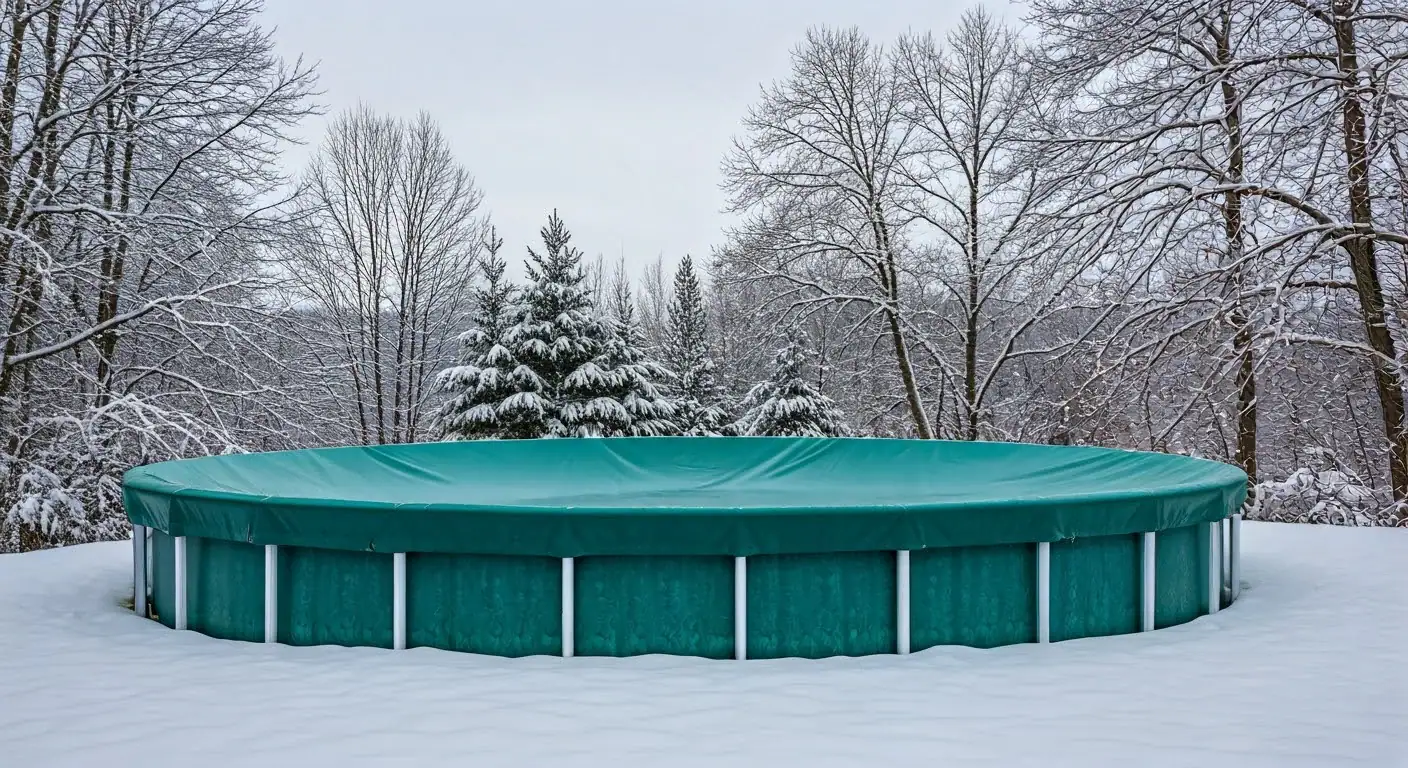
The brick two-families on 23rd, 24th, 28th, and 29th have been part of this neighborhood for decades. So have the above-ground pools sitting in their backyards. Every October, those pools face the same risk a closing that wasn’t thorough enough, lines that weren’t fully cleared, a cover that wasn’t properly secured. One freeze event is all it takes.
What a proper closing actually gives you is a spring opening that goes the way it’s supposed to. No green water because the chemistry wasn’t balanced before the cover went on. No cracked fittings because water was left sitting in the plumbing. No missing cover because it wasn’t water-bagged correctly. You open in May and the pool is ready to go not a project.
Ditmars Steinway’s position on the waterfront matters here more than people realize. The wind off Bowery Bay and the East River doesn’t just affect how cold it feels on Ditmars Boulevard in November it affects whether an improperly fastened pool cover stays put through a nor’easter. Above-ground pool covers that aren’t properly secured are a real liability in this part of Queens. A cover that blows off in late November exposes a pool that was never fully protected. That’s the scenario a professional closing prevents.
We’ve been closing pools on Long Island and throughout Queens since 2009. That’s 15-plus years of knowing exactly what Northeast winters do to a pool that wasn’t closed carefully and exactly what it takes to make sure yours isn’t the one that finds out the hard way.
Our Queens address at 39-01 Utopia Pkwy isn’t a service area claim it’s where the work actually comes from. When a Ditmars Steinway homeowner calls JAS Aquatics, they’re not waiting on a company to make a long drive from Suffolk County. Our team is already in the borough, already familiar with the freeze patterns that hit this part of northwestern Queens, and already set up to serve neighborhoods like Ditmars Steinway.
Every technician who comes to your property is fully licensed and insured. The job follows our documented 12-step winterization process, and when it’s done, you get a written summary of everything that was completed what was inspected, what chemicals were used, what condition your equipment is in going into winter. That kind of documentation is unusual in this industry. We do it on every closing, every time.
It starts with a full assessment of your pool and equipment before anything else is touched. We check the condition of your plumbing connections, skimmer assembly, pump, and filter not to upsell you on anything, but because knowing what we’re working with before we start is how we avoid missing something. For older above-ground pools, which are common in Ditmars Steinway, that initial inspection matters more than most people think. Aging plumbing connections and older skimmer assemblies have less margin for error in a freeze event.
From there, the water chemistry gets balanced pH, alkalinity, shock, algaecide, stain prevention. This step gets skipped or rushed more often than it should be, and it’s the reason some pools open in the spring looking like a swamp. After that, we blow out the plumbing lines using commercial-grade air compressors. This is the step that home equipment genuinely cannot replicate. A shop compressor doesn’t generate enough pressure to fully clear the lines. Water left in a plumbing pocket overnight when temperatures drop is how pipes crack.
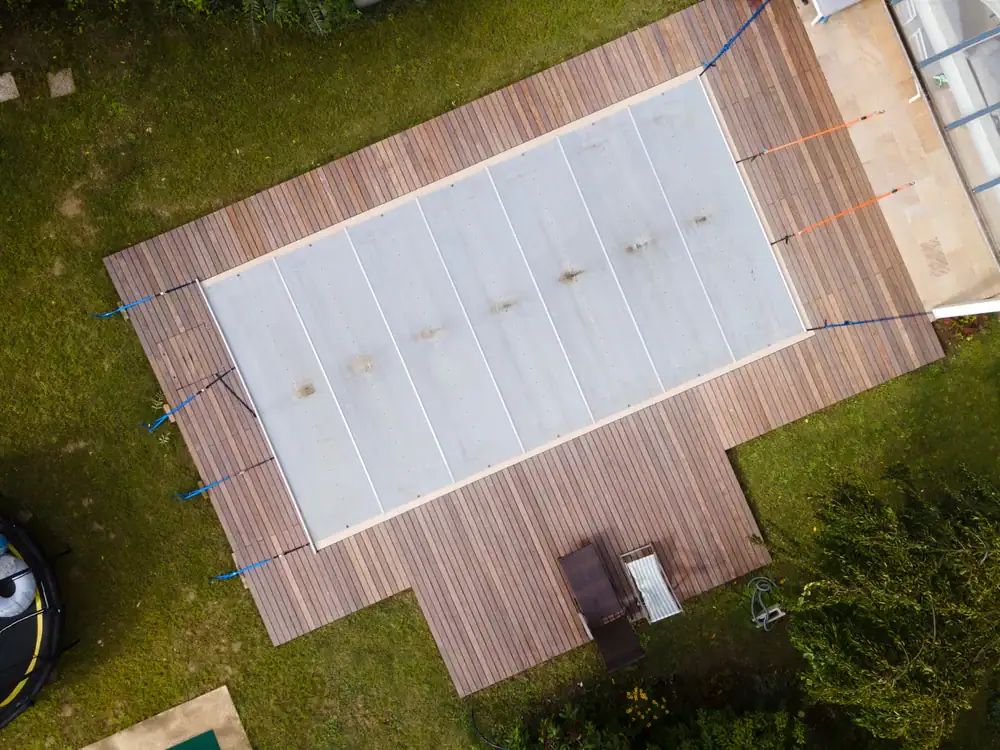
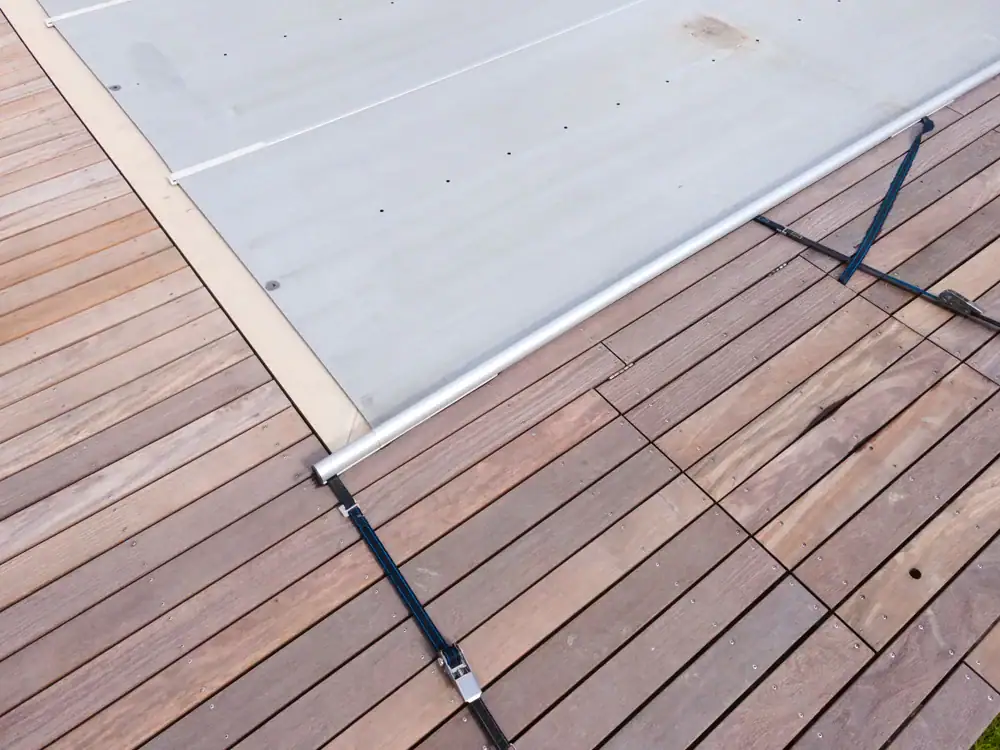
Equipment gets disconnected and stored, skimmer and return lines get plugged, and then the cover goes on properly water-bagged and fastened. In Ditmars Steinway, where homes near Shore Boulevard and the waterfront face open wind exposure from the East River, cover installation isn’t a step to rush. When the job is done, you get a written summary of everything that was completed. You’ll know exactly what was done and what to expect when you open in spring.

Ready to get started?
We close both above-ground and inground pools throughout Queens, and the process is thorough regardless of pool type. That said, above-ground pools are the dominant pool type in Ditmars Steinway and they’re also the more vulnerable one. Because the plumbing and equipment on an above-ground pool sit above the ground line rather than being insulated by the earth, they’re directly exposed to ambient air temperatures. When a hard freeze hits Queens in October or November, it’s the exposed components that go first.
Our closing service covers everything: water chemistry balancing before the cover goes on, professional plumbing line blow-out with commercial-grade equipment, pump and filter disconnection and storage, skimmer winterization, return line plugging, and full cover installation with proper water bag placement. Every step is documented, and you receive a written summary when the job is complete. That written record is something most pool closing companies in this area don’t provide and it matters when you’re opening in spring and want to know exactly what was done six months earlier.
Standard homeowner’s insurance typically does not cover freeze damage that results from improper winterization. A professional closing from a licensed, insured company is the protection your policy won’t give you. We serve Ditmars Steinway and the surrounding Astoria area and are booking closings through October slots fill as the season moves, so the sooner you schedule, the better.
The general rule for Queens is to have your pool closed before nighttime temperatures start consistently dropping below 50 degrees Fahrenheit which in Ditmars Steinway typically means targeting mid-to-late October. The LaGuardia Airport weather station, which sits immediately northeast of Ditmars Steinway across Bowery Bay, is the official climate record for this neighborhood, and its historical data shows that hard freeze events can and do occur in October in some years. Waiting until November feels safe until it isn’t.
The other timing consideration is availability. Pool closing companies in the Queens and Long Island market fill their October schedules fast often weeks ahead of when homeowners start thinking about it. If you’re reading this in September or early October, now is the right time to book. Waiting until you feel the urgency of a cold snap means you’re competing with everyone else who waited too long.
A thorough pool closing covers more than dropping a cover on the water and calling it done. The process starts with a full inspection of your equipment pump, filter, plumbing connections, skimmer assembly to identify anything that needs attention before winter. From there, water chemistry gets balanced: pH, alkalinity, shock treatment, algaecide, and stain prevention chemicals are all added before the cover goes on. Skipping this step is why some pools open green in May.
After the chemistry is handled, we blow out the plumbing lines using commercial-grade air compressors to remove all water from the pipes, fittings, and equipment. This is the most critical step in preventing freeze damage, and it’s also the step that home equipment can’t adequately replicate. The pump and filter are disconnected and stored, skimmer and return lines are plugged, and the cover is installed with proper water bag placement and fastening. We provide a written summary of everything completed what was done, what was used, and what condition your equipment is in heading into winter.
You can attempt it, but the most common DIY closing mistake and the most expensive one is not fully clearing the plumbing lines. Home compressors and shop-grade air equipment don’t generate enough pressure to push all the water out of every plumbing pocket in an above-ground pool system. What gets left behind freezes, expands, and cracks. For above-ground pools, where the plumbing and equipment are fully exposed to air temperature rather than insulated by the ground, the margin for error is smaller than it is for inground pools.
The cost of a professional closing is a fraction of what a single freeze event repair runs. Replacing a cracked skimmer assembly, split plumbing fittings, or a damaged pump on an older above-ground pool adds up fast and standard homeowner’s insurance typically won’t cover it if the damage is attributed to improper winterization. For most Ditmars Steinway homeowners, especially those with older pool installations, the math strongly favors hiring a licensed professional.
We operate out of a Queens address at 39-01 Utopia Pkwy not just from the Huntington Station location on Long Island. Our Queens operation exists specifically to serve neighborhoods throughout the borough, including Ditmars Steinway and the surrounding Astoria area. This isn’t a case of a Long Island company occasionally crossing into Queens when it’s convenient. Our team is based in Queens and set up to serve Queens homeowners with the same process and documentation standard used everywhere else.
The concern about whether a company “really” comes to Ditmars Steinway is one we hear often and it’s a fair one, because plenty of Long Island pool companies list Queens as a service area without the local infrastructure to back it up. Our Queens address, our Queens phone number, and our existing Queens customer base are the answer to that question. If you’re in Ditmars Steinway, you’re well within our service area, and booking works the same way it does for any other neighborhood we serve.
If your pool hasn’t been properly closed and a hard freeze hits, the water sitting in your plumbing lines, pump housing, filter, and skimmer assembly freezes and expands. Water expands roughly nine to ten percent when it freezes enough pressure to crack pipe fittings, split a pump housing, fracture a skimmer body, or damage the filter. For above-ground pools, where all of that equipment is sitting above the ground and fully exposed to the cold, the damage can happen in a single overnight freeze.
The repair costs vary depending on what breaks, but a single freeze event can run anywhere from a few hundred dollars for a minor fitting replacement to several thousand dollars for pump, filter, or plumbing work. Beyond the cost, there’s the timing problem: pool repair companies are busiest in spring, which means damage discovered at opening often means weeks of waiting before the pool is usable. That’s a significant chunk of the swimming season gone before it started. A proper closing in October prevents all of it.
For most above-ground pools, the closing takes under two hours from start to finish. We work through the full process inspection, chemistry, line blow-out, equipment disconnection, cover installation systematically, and the written summary is provided before we leave. You don’t need to clear your day for it.
Whether you need to be home depends on your setup and access. If we need access to a locked gate, a basement where equipment is stored, or a garage where chemicals are kept, someone needs to be available or arrangements need to be made in advance. For straightforward setups where the pool and equipment are accessible from the backyard, many homeowners have the closing done while they’re at work. We’ll walk through the access specifics when you book, so there are no surprises on the day of service. When the job is done, the written summary documents exactly what was completed so even if you weren’t there, you know what happened.
Other Services we provide in Ditmars Steinway